Yadvinder Garden: A Mughal Paradise in Panchkula
The gate leads to a long water channel, flanked by cypress trees and flower beds. The garden also boasts of a variety of flora and fauna, including exotic plants, flowers, birds, and animals. The garden is now a heritage site, managed by the Haryana Tourism Department, and a popular tourist attraction. He also added some modern amenities and attractions to the garden, such as a zoo, a nursery, and a museum. The most notable among them was Maharaja Yadavindra Singh, who gave Yadavindra Gardens the garden its current name, after his own.
Terraced Garden
The palace also has a baradari (pavilion), with a dome and pillars, offering a panoramic view of the garden and the surrounding hills. The palace also has a hammam (bathhouse), with hot and cold water facilities. The terraces are connected by flights of steps and waterfalls, creating a harmonious and soothing effect. Yadvinder Garden is spread over an area of 100 acres, and consists of seven terraces, each with a distinct theme and style. It is also a venue for cultural events and festivals, such as the Baisakhi festival in April and the Mango festival in June. Visitors can enjoy illuminated fountains, cultural programs, and festive markets.
- The garden has open lawns, a mini zoo, and a nursery, and is ideal for picnics and family outings.
- The garden transforms into a royal celebration of art, culture, and history.
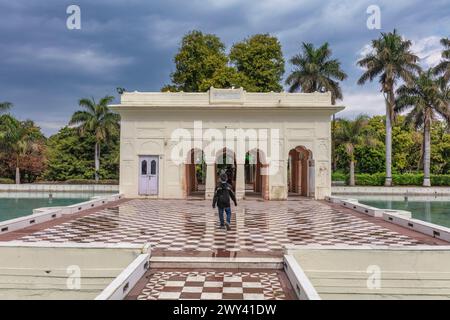
- The palace built on the first terrace is called the “Sheesh Mahal”, which is adjoined by a romantic “Hawa Mahal“.
- With its sprawling terraced lawns, cascading fountains, and ornate palaces, Yadavindra Gardens transports visitors to a world of serenity and splendor.
- The place is a stunning blend of Mughal grandeur and the tranquil beauty of nature, making it one of the best gardens in India for visitors to explore.
As mentioned earlier, the Shish Mahal and Rang Mahal are two of the most striking structures in the garden. Additional charges may apply for special events or exhibitions held within the garden premises. After India gained independence in 1947, the garden came under the jurisdiction of the Haryana government. The British colonial period also saw efforts to maintain and restore the garden, further cementing its status as a heritage site. However, it was later revived by the rulers of the Patiala State, who recognized its historical and cultural significance. The garden has undergone several phases of restoration and renovation over the centuries, preserving its historical integrity while adapting to modern needs.
The History and Legacy of Pinjore Garden
This garden of seven levels with its beautiful palaces was occupied by Fidai Khan and his harem for a few years only. After he established his kingdom in India, Babur created many gardens. Though Babur held Samarkand briefly, its garden and the concept of charbagh (a quadrilateral garden layout based on the four gardens of Paradise mentioned in the Koran) made a profound impression on him. They were renamed as the Yadavindra Gardens after Yadavindra Singh, the Maharaja of Patiala who ruled from 1938 to 1974 and who restored the garden to its former glory. My first visit to a Mughal garden was many decades ago. The main entrance opening into the first of seven terraces has been decorated in Rajasthani- Mughal Style, the first terrace is given the name of Shish Mahal- the palace of glass and lies adjacent to Hawa Mahal- the palace of air.

The garden is built in a traditional Mughal style. He built the garden for his brother Aurangzeb who was the Mughal emperor at that time. It is a Mughal architectural garden that was built by Nawab Fidal Khan Koka who was a renowned architect of his time.
- Camera Not Allowed, only mobile photography is the option for visitors.
- It is one of its kind garden in this region which beautifully showcases the Mughal and Rajasthani architecture.
- The gardens are in the foothills of the Himalayas, near Chandigarh.
- At the heart of the Pinjore Gardens lie the central waterway highlighted by beautiful fountains and lined with trees, offering a regal ambience that transports visitors through time.
- The garden is renowned for its beautiful Mughal-style terraced layout, complete with fountains, pools, and flowerbeds that create a peaceful ambiance.
- The central water channel runs through the length of the garden, with fountains placed at regular intervals, creating a mesmerizing display.
- Overall, visiting Pinjore Gardens doesn’t require a hefty budget, making it an excellent option for a relaxed and economical getaway.
Are there any events or festivals held at Pinjore Garden?
Also, be mindful of the other visitors, and do not disturb or annoy them. However, it is advisable to carry your own water bottle, snacks, sunscreen, hat, etc., as the garden can get hot and dry during the day. Avoid visiting the garden during the summer months (April to June), when the temperature can rise up to 45°C, and the garden can get crowded and noisy.

Other Tourist Places to Visit in Pinjore Garden
These celebrations bring the garden to life with music, colors, food, and traditional charm, making it a must-visit destination for locals and tourists alike. Pinjore Garden isn’t just a visual delight—it’s also a vibrant cultural hub that hosts a variety of meals, events, and festivals throughout the year. This magnificent 17th-century Mughal-style garden is a captivating destination that blends history, horticulture, and recreation.
During October when the Pinjore Heritage fest is held every year, is without any doubt a great if not the best time to visit the garden. Pinjore gardens are also called as Yadavindra Gardens and were constructed by the architect Nawab Fidai Khan in the 17th century. As visitors enter through the big entrance, the first terrace created in Mughal Style will be the first thing they would see. It is an example of the Mughal Gardens style, and was built by Patiala Dynasty Rulers.The garden is in the village of Pinjore lie 22 km from Chandigarh on the Ambala-Shimla road. Special festivals such as the Pinjore Baisakhi festival (spring festival) in April, Pinjore Mango Mela in July and Pinjore Heritage Festival in December are major annual celebrations at the gardens.
Located in the majestic land of Chandigarh, the Pinjore Gardens, also known as Yadavindra Gardens, is a spectacular Mughal-style garden that invites visitors to embrace the confluence of history, culture, and natural beauty. The best time to visit Yadavindra Gardens is from October to March when the weather is cool and pleasant, perfect for exploring the gardens and enjoying outdoor activities. Built in a similar style to Shalimar Bagh in Kashmir, the garden has been laid in seven terraces, with the main gate of the garden opening into the highest first terrace, which has a palace built in Rajasthani–Mughal style. The garden has 7 terraces, fountains, an open-air theatre, water bodies, and a green grass cover to walk or rest.
Leave a Reply